A stroke can change life in an instant. For many adults, one of the most challenging effects is the impact on communication, speaking, understanding language, reading, writing, or even swallowing. These changes can feel overwhelming at first, but recovery is possible. With the right support, many stroke survivors in Melbourne gradually rebuild their communication skills and regain confidence in everyday life.
Speech therapy plays a central role in this journey.
Understanding Communication Changes After Stroke
A stroke occurs when blood flow to part of the brain is interrupted, damaging areas responsible for language and communication. The effects vary depending on the part of the brain affected and the severity of the stroke.
Common communication difficulties after stroke include:
-
Aphasia – difficulty understanding or producing language
-
Dysarthria – slurred or slow speech caused by weakened muscles
-
Apraxia of speech – difficulty planning and coordinating speech movements
-
Cognitive communication issues – problems with memory, attention, and problem-solving that affect conversation
-
Swallowing difficulties (dysphagia) – trouble eating or drinking safely
These challenges can affect independence, relationships, and emotional wellbeing. That’s why early and ongoing speech therapy is so important.
How Speech Therapy Helps After Stroke
Speech therapy is not about “fixing speech overnight.” Instead, it is a structured, personalised rehabilitation process that helps the brain adapt and recover over time.
A qualified speech pathologist works with each individual to rebuild communication in practical, meaningful ways.
1. Rebuilding Language Skills
For people with aphasia, therapy focuses on reconnecting words with meaning. This may involve:
-
Naming everyday objects
-
Practising sentence formation
-
Using pictures or cue cards
-
Structured conversation exercises
Over time, many adults regain the ability to express needs, hold conversations, and participate more fully in daily life.
2. Improving Speech Clarity
For those with dysarthria or apraxia, therapy may include:
-
Strengthening speech muscles
-
Slowing speech rate for clarity
-
Practising articulation exercises
-
Rebuilding coordination between brain and mouth
These techniques help improve intelligibility so others can understand speech more easily.
3. Supporting Cognitive Communication
Stroke can also affect thinking skills that are essential for communication. Speech therapy can help with:
-
Memory strategies
-
Attention training
-
Organising thoughts during conversation
-
Problem-solving in real-life situations
These skills are especially important for returning to work or independent living.
4. Alternative and Augmentative Communication (AAC)
When speech is severely affected, therapists may introduce communication tools such as:
-
Communication boards
-
Picture systems
-
Speech-generating devices or apps
These tools ensure individuals can still express themselves while recovery continues.
Stroke Recovery in Melbourne: Why Local Support Matters
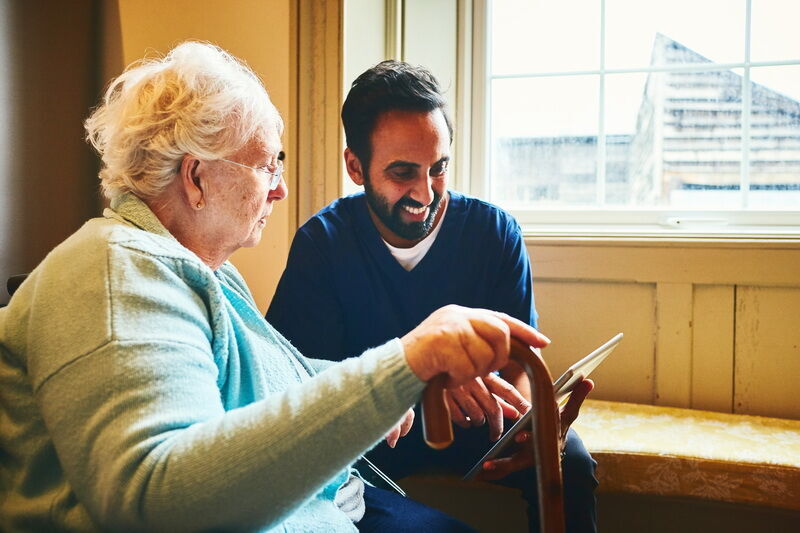
In Melbourne, stroke recovery is supported by a strong network of hospitals, rehabilitation centres, and community-based allied health services. However, many adults benefit most from ongoing therapy delivered in familiar environments such as their home or local community.
This is especially important because communication is highly contextual. Practising speech in real-life settings, like the home, café, or community spaces, helps build practical confidence.
Mobile speech therapy services across Melbourne allow stroke survivors to:
-
Practise communication in everyday environments
-
Involve family members in therapy sessions
-
Reduce travel stress and fatigue
-
Focus on real-world communication goals
This approach often leads to more meaningful and lasting progress.
The Emotional Side of Communication Recovery
After a stroke, communication difficulties can be just as emotionally challenging as physical limitations. Many adults experience frustration, anxiety, or isolation when they cannot express themselves easily.
Speech therapy also supports emotional recovery by:
-
Rebuilding confidence in conversation
-
Reducing communication breakdowns with family and carers
-
Encouraging social participation
-
Supporting identity and independence
Progress may feel slow at times, but small improvements, like ordering a coffee, answering a phone call, or joining a conversation, are meaningful milestones.
What Recovery Looks Like Over Time
Every stroke recovery journey is different. Some people regain significant communication ability within months, while others continue therapy over several years.
Key factors that influence progress include:
-
Severity and location of the stroke
-
Time since the stroke occurred
-
Access to consistent therapy
-
Motivation and daily practice
-
Support from family and carers
Importantly, the brain continues to adapt over time through neuroplasticity, the ability to form new neural connections. This means improvement is possible long after the initial stroke.
Supporting Stroke Survivors in Melbourne
Adults recovering from stroke in Melbourne often benefit from personalised, one-on-one speech therapy that adapts to their lifestyle, goals, and environment.
Services like those provided by Speech To You focus on supporting adults with communication and swallowing difficulties through mobile, community-based, and telehealth speech pathology. This flexible approach allows therapy to be delivered where it is most effective, at home and in real-life settings.
Final Thoughts
Speech therapy after stroke is about more than regaining words, it’s about rebuilding connection, independence, and confidence. While the journey can be challenging, many adults in Melbourne make meaningful progress with consistent support and the right therapeutic approach.
With time, patience, and tailored speech pathology intervention, communication can be rebuilt step by step, helping stroke survivors reconnect with the people and world around them.